



Thorough fault analysis
We narrow down the defect systematically and assess whether a repair is technically and economically worthwhile.
Professional diagnosis and board-level repair for motherboards, graphics cards, PCIe cards, and selected server hardware.
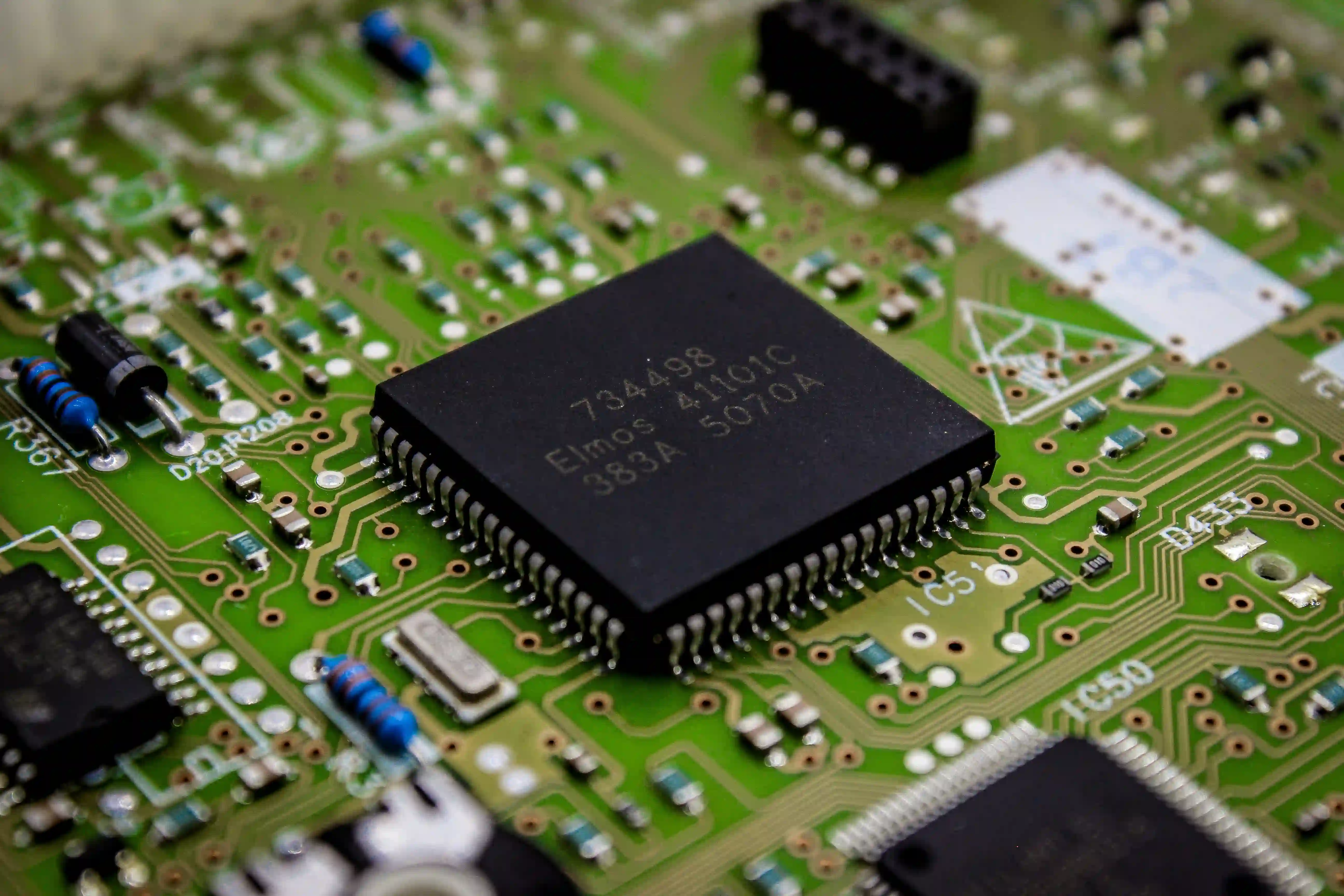
We narrow down the defect systematically and assess whether a repair is technically and economically worthwhile.

Instead of replacing complete assemblies by default, we target defective components, connections, and traces.

Specialist inspection of motherboards, graphics cards, and PCIe cards, including complex electronic faults.

Describe the case, send the hardware safely, receive our assessment, and approve the repair.
Many PC hardware faults initially show similar symptoms. Targeted diagnosis helps identify the actual cause at board level.
The visible symptom is not always the actual cause. We inspect relevant areas systematically and precisely at component level.
Shorted or damaged components can prevent a motherboard or graphics card from starting correctly.
Aged components, thermal stress, or damaged connections can cause failures and unstable operation.
Corrosion, mechanical damage, or previous repair attempts can affect pads, traces, and plug connections.
Overheating, material fatigue, or mechanical stress can permanently affect components, solder joints, and circuit boards.
A technical inspection is particularly worthwhile when replacement is expensive, the hardware is difficult to source, or the existing assembly is important to the system.
High-value motherboards, graphics cards, or specialist cards with a high replacement cost and a clearly identifiable electronic fault.
Liquid damage, burn marks, severe thermal stress, or hardware that has already undergone repair attempts.
Very inexpensive, severely destroyed, or easily replaceable hardware may be more economical to replace.
A difficult fault is not automatically beyond repair. It does, however, require a realistic assessment without false promises.

Torn pads, damaged traces, or poor-quality previous work increase the effort required. An inspection may still be worthwhile if the board can technically be reconstructed.

Corrosion can spread beneath components and along fine traces. Affected areas therefore need to be cleaned thoroughly, inspected, and repaired selectively.

Charred areas, melted components, and damaged conductor structures are assessed individually. Repair is only worthwhile when enough of the supporting board structure remains intact.
These examples show which fault patterns can generally be assessed technically. Whether a repair is possible always depends on the condition of the individual board.
Short circuits, missing supply voltages, or damaged components can be isolated systematically and assessed technically.
View gallery
Artifacts, crashes under load, and localized overheating can indicate faults in power-delivery, memory, or PCB areas.
View gallery
For expensive or unavailable cards, targeted inspection of the power supply, connectors, and damaged trace structures may be worthwhile.
View galleryIn four simple steps from first contact to return shipping — clear, transparent, and without unnecessary detours.
Fill out the repair request. If you have any questions, we will be happy to help.
Package the device securely for transport and include the completed form in the parcel.
We inspect the damage and clarify whether a repair makes sense and what costs can be expected.
After your approval, we repair the device and send it safely back after payment has been received.
Our main focus is on motherboards, graphics cards, and selected PCIe, server, and specialist cards. Whether a specific assembly is suitable depends on its design, the fault pattern, and the available repair path.
That depends on the technical damage, replacement value, and availability. For high-value or difficult-to-source hardware, a thorough diagnosis before replacement can be worthwhile.
A previously worked-on board can generally still be inspected. Missing components, damaged pads, or broken traces may significantly increase the effort and reduce the chances of success.
In some cases, yes. The extent of the damage, duration of exposure, and condition of the board structure are decisive. These cases always require individual assessment.
In many cases, the affected assembly can be sent on its own. Depending on the hardware, additional accessories or the complete system may be required for reliable functional testing.